
Fire ratings for tiles
Q. Are ceramic and porcelain tiles non-combustible?
Conventional ceramic and porcelain tiles are generally non-combustible and do not ignite or burn. They are manufactured primarily from inorganic mineral materials and fired at very high temperatures.
However, firing temperature alone is not the basis for determining NCC compliance. The complete product should be considered, including any coatings, backing materials, mesh, laminates or other combustible components.
Under the NCC, ceramic tile or the like is specifically recognised in the fire-hazard-properties provisions as a material that does not need to comply with the relevant fire hazard property requirements. In NCC 2022 Volume One, these requirements are contained in C2D11 – Fire hazard properties, which replaced the former C1.10 numbering.
Q. Do tiles need a fire rating or fire hazard test?
Conventional ceramic and porcelain tiles generally do not require separate fire-hazard-property testing when they fall within the NCC’s specific exemption for ceramic tile or the like.
The NCC’s fire hazard provisions address characteristics such as:
- Spread of flame
- Smoke development
- Heat release and related fire behaviour
The exemption applies to the tile material covered by the provision. It should not automatically be assumed to apply to every component of a tiled system, such as adhesives, membranes, backings, coatings or other materials. applies specifically to the tile material itself.
Q. Do tile adhesives and grouts comply with fire requirements?
Many cementitious tile adhesives and grouts are predominantly inorganic once cured and may be suitable for applications where fire performance is required.
However, adhesives and grouts should not automatically be assumed to have the same NCC exemption as ceramic tiles. Their suitability depends on the product formulation and the specific NCC requirement applying to the installation.
Where fire performance is important, refer to the manufacturer’s Technical Data Sheet (TDS), Safety Data Sheet (SDS) and relevant fire-performance documentation.
Q. Can tiles be installed near fireplaces, cooktops, or heat sources?
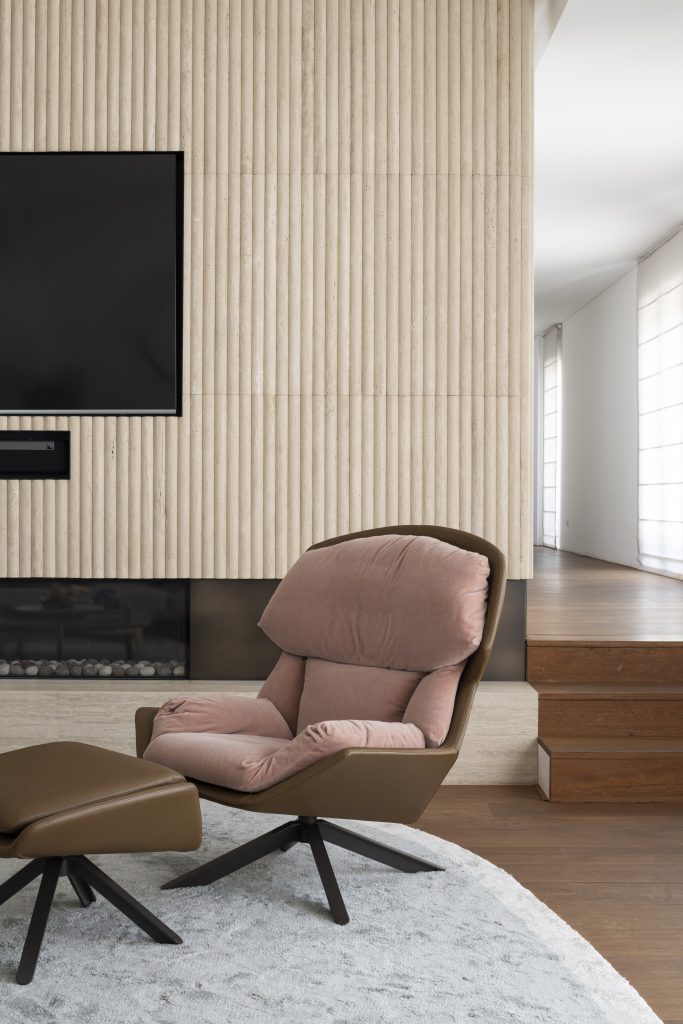
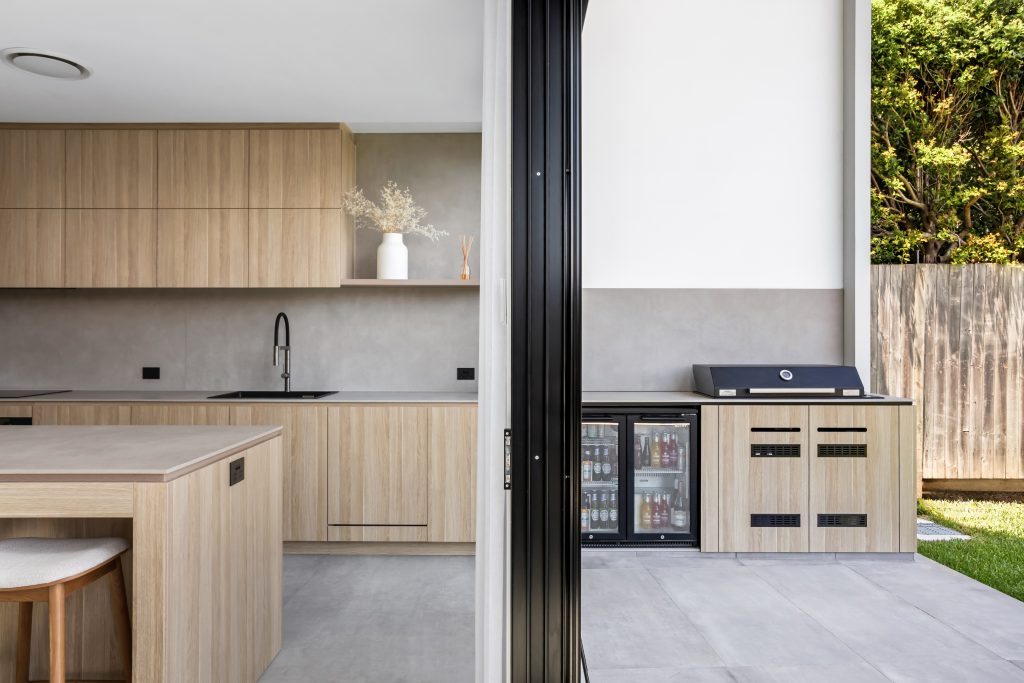
Yes, ceramic and porcelain tiles are commonly used in areas exposed to heat, including:
- Around fireplaces
- Behind cooktops
- As kitchen splashbacks
- Around outdoor kitchens and BBQ areas
Tiles themselves will not normally ignite, burn or melt under typical domestic heat exposure.
However, the suitability of a tiled installation depends on more than the tile itself. The substrate, adhesive, grout, fixing method, clearances and the manufacturer’s installation requirements must also be suitable for the temperature and application.
For fireplaces, wood-burning appliances, BBQs and other high-temperature applications, always follow the appliance manufacturer’s clearance and installation requirements as well as the applicable building requirements.
Important: While the tile surface is non-combustible, the substrate behind the tile must also comply with NCC requirements for installation near heat sources.
Q. Do ceramic or porcelain tiles produce smoke or toxic fumes in a fire?
Conventional ceramic and porcelain tiles are inorganic and do not themselves provide a combustible fuel source. They do not normally generate smoke in the same manner as combustible organic materials.
However, a completed tiled installation can contain other materials, such as adhesives, sealants, coatings, membranes or backing materials, which may have different fire characteristics.
For this reason, it is more accurate to say that the tile itself is non-combustible rather than stating that an entire tiled installation can never produce smoke or fumes.
Q. Do tiles provide a fire-resistance level (FRL)?
No. A tile does not have an FRL simply because it is non-combustible.
An FRL applies to the relevant building element or construction assembly, such as a wall, floor or structural element. It is determined by the performance of the complete construction system rather than the surface finish alone.
A ceramic or porcelain tile may be installed over an FRL-rated wall or floor, but the tile should not be claimed to increase or provide the FRL of the underlying construction unless the complete tested or assessed system specifically demonstrates that performance.
Important distinction
It is useful to distinguish between fire hazard properties, combustibility and fire resistance:
- Fire hazard properties relate to how a material contributes to fire, including characteristics such as flame spread and smoke development.
- Non-combustibility relates to whether a material is combustible under the applicable assessment method.
- Fire Resistance Level (FRL) relates to the fire performance of a building element or assembly.
These are not interchangeable terms.
For conventional ceramic and porcelain tiles, the NCC provides specific provisions recognising ceramic tile or the like in relation to fire hazard properties. However, the performance of the complete tiled system depends on all of its components and the requirements applying to the particular application.
DISCLAIMER All material on this website is published in good faith, however Skheme Pty Ltd does not warrant or represent the origin, validity, accuracy, completeness, timeliness, authenticity or reliability of, nor accept any responsibility for errors or omissions, in any material on this website or in any accompanying or other material, including advertisements, whether oral, visual, written, printed or electronic. Skheme Pty Ltd is not liable for any losses, claims, damages, demands, costs and expenses of whatsoever nature arising in any way, including those caused by negligence, out of or in connection with the use of this website, or any accompanying or subsequent information, or by reason of any reliance upon its contents by any person, company or organisation. All access to, and use of, the information is at the user’s risk. All technical details, recommendations and other information contained on this website represent the best of our knowledge and experience at the time of publishment. It is your responsibility to ensure that our products are used and handled correctly and in accordance with any applicable Australian Standard, our instructions and recommendations and only for the uses they are intended. Country specific recommendations, depending on local standards, codes of practice, building regulations or industry guidelines, may affect specific installation recommendations. The supply of our products & services is also subject to certain terms, warranties and exclusions, which may have already been disclosed to you in prior dealings or are otherwise available to you on request. Skheme reserves the right to alter, amend, vary or otherwise change any information on this website at any time and without prior notice to you to reflect our ongoing research and development program. The provision of any URL or link is done for the convenience of users of this website. It does not constitute an endorsement by the Skheme of that URL or link or the information at that Internet site. Potential customers should speak to a Skheme consultant regarding the qualities, colours and textures of all Skheme products before purchase.